-
 0086-15068518279 (Chinese)/001-5416026691 (English)
 -
 [email protected]
 -
0086-15068518279 (Chinese)/001-5416026691 (English) [email protected] 


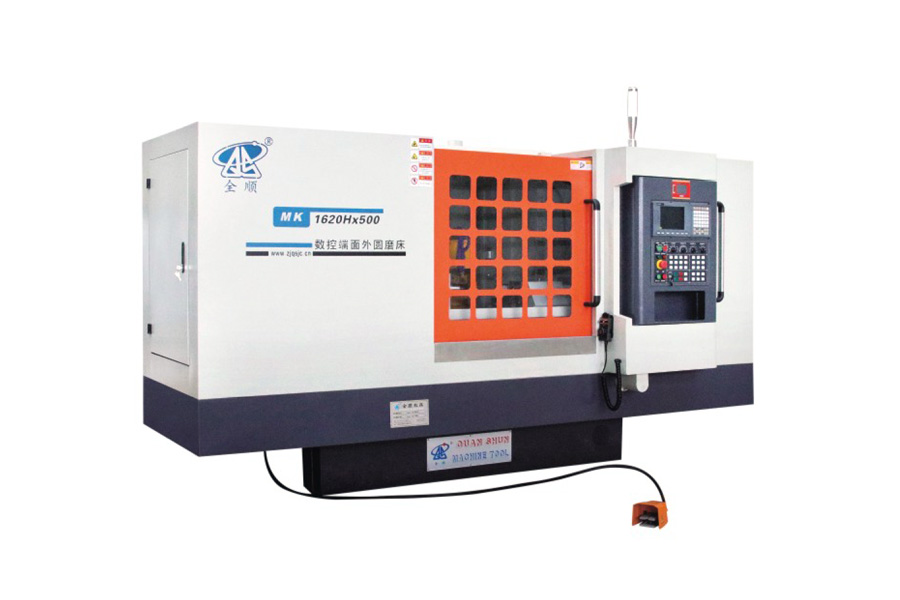
The CNC Face and Cylindrical Grinding Machine (commonly known as the CNC Angular Cylindrical Grinder...
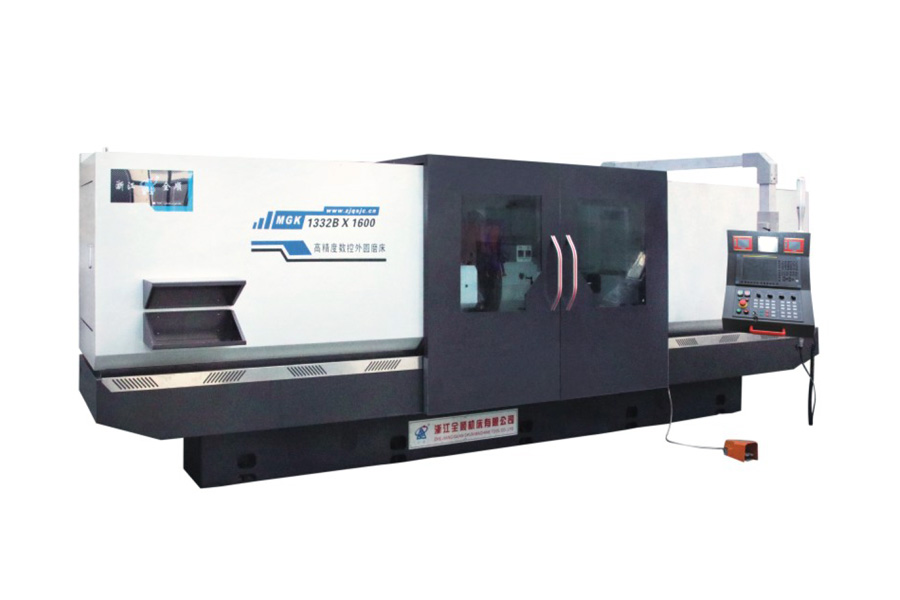
The High Precision CNC Face and Cylindrical Grinding Machine utilizes a rigid 30-degree or 45-degree...
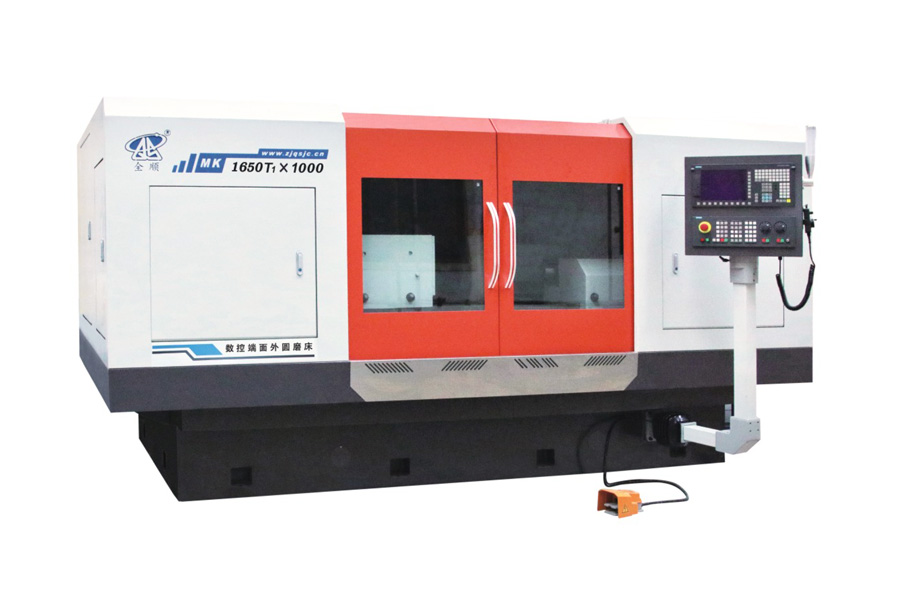
The CNC Face Cylindrical Grinding Machine with Mobile Grinding Wheel Holder features an axially trav...
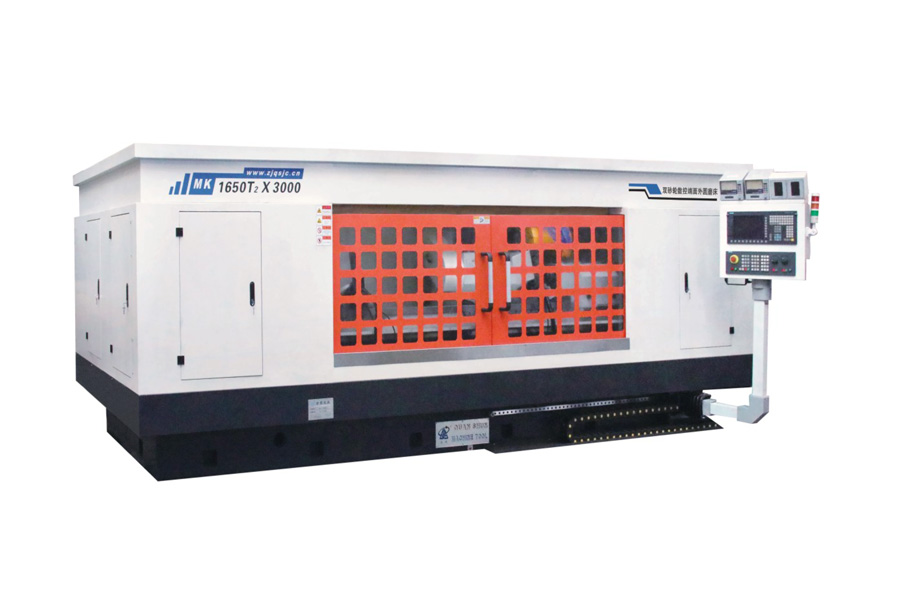
The Double Wheelhead CNC Endface Cylindrical Grinding Machine is an ultra-efficiency, multi-tasking ...

The right choice for most engine repair shops is a CNC crankshaft grinding machine with a grinding diameter range that covers your typical job mix, a...
View MoreCenterless grinding commonly causes problems such as chatter marks, workpiece out-of-roundness, surface burning, taper errors, and inconsistent part ...
View MoreCrankshaft grinders are primarily used to restore worn or damaged crankshafts in automotive engines, diesel trucks, marine vessels, locomotives, agri...
View MoreDirect Answer A grinding machine works by rotating an abrasive wheel at high speed against a workpiece to remove material through abrasion, shaping ...
View MoreA CNC Face and Cylindrical Grinding Machine grinds the outer diameter, the end face, and the shoulder of a workpiece in a single chucking, eliminating the need to move the part between separate grinding operations. This single-setup capability is the main reason these machines are specified for shaft-type parts where the diameter and the face must stay coaxial and square to each other within a few microns. The sections below explain how the process works, why it holds tight coaxiality, and how to know if your production needs this configuration.
Grinding a face and a cylindrical diameter together in one cycle changes the accuracy and efficiency profile of a part compared with grinding each feature separately on different machines or in different operations. The main advantages are summarized below.
Trade publication Modern Machine Shop documented a real-world example of this benefit at a precision grinding shop, where a single setup process allowed nine different diameters, faces, and shoulders to be ground on one long shaft while holding extremely tight concentricity across all the features, a result the shop noted would have required multiple machines under their previous process.
A CNC Face and Cylindrical Grinding Machine typically pairs a standard OD grinding wheel with a separate face grinding wheel or wheel face, coordinated by the CNC controller so the part does not need to be removed between operations. The general process sequence is outlined below.
| Stage | What Happens |
| Workpiece loading | The part is chucked or mounted between centers, establishing the rotational axis that both the diameter and face will be referenced to. |
| OD rough grinding | The cylindrical wheel removes the bulk of the stock from the outer diameter to bring it close to final size. |
| OD finish grinding | A finer infeed pass brings the diameter to final tolerance and surface finish. |
| Face or shoulder grinding | The wheelhead indexes or the part is fed axially so the face wheel finishes the end face or shoulder square to the ground diameter. |
| In-process gauging | Sensors measure the diameter and face position during the cycle, feeding corrections back to the controller before the part is released. |
| Unloading | The finished part is removed with both the diameter and face complete, with no intermediate transfer to another machine. |
Plunge grinding is commonly used for the face and shoulder portion of the cycle. According to Tooling University's grinding reference material, this method allows the face and diameter of a workpiece shoulder to be ground simultaneously using an angle-dressed wheel, which is one of the techniques that makes combined face and cylindrical grinding efficient on shouldered shaft parts.
Coaxiality, the alignment between two or more features sharing the same nominal axis, is the property that face and cylindrical grinding machines are specifically built to protect. Several design and process factors work together to achieve this.
In applications such as hydraulic valve spools, bearing locating shoulders, and seal faces, coaxiality and squareness between the diameter and face are often the single most important tolerance on the part drawing, which is why these features are typically called out for single-setup face and cylindrical grinding rather than split across two machines.
Not every shaft or cylindrical part requires combined face and cylindrical grinding. The decision generally comes down to how tightly the face and diameter need to relate to each other and how many similar features the part carries.
| Part Condition | Recommendation |
| Face must be square to diameter within a few microns | Use a face and cylindrical grinder for single-setup processing |
| Multiple shoulders or stepped diameters on one shaft | Use a face and cylindrical grinder to avoid repeated re-fixturing |
| Part has only a simple OD with no critical face tolerance | A standard OD grinder is sufficient |
| Sealing or locating face is a critical functional surface | Use a face and cylindrical grinder to control squareness and finish together |
| Very high volume of one simple geometry with no face requirement | A dedicated OD or centerless grinder may be more efficient |
Common applications include hydraulic cylinder rods with sealing shoulders, pump shafts with bearing locating faces, valve spools, and gear blanks where the face must register squarely against a mating part in final assembly. Industries that rely on these tolerances most heavily include hydraulics, automotive driveline components, and general industrial machinery manufacturing, where face-to-diameter relationships directly affect how a part seals or locates in its assembly.
Choosing the right machine configuration depends on part geometry, tolerance requirements, and production volume. The following considerations help narrow down a suitable specification.
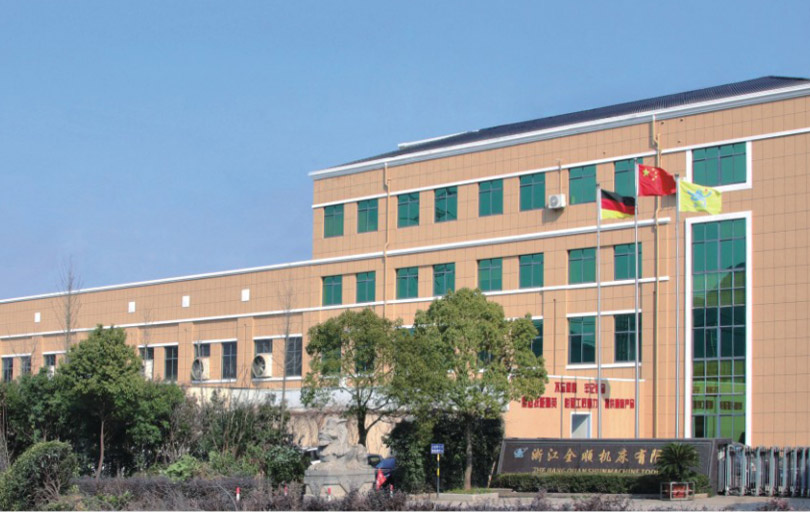
Our company manufactures CNC face and cylindrical grinding machines from a 35,000 square meter facility with a 32,000 square meter building area, combining a dedicated machine tool production base with a hydraulic parts production base. Our product range includes ordinary and CNC cylindrical grinding machines, CNC end face cylindrical grinding machines, automatic loading and unloading CNC and end face cylindrical grinding machines, composite grinding machines, and high-precision ordinary and CNC cylindrical grinding machines. For part geometries outside standard catalog specifications, our engineering team also designs non-standard special grinding machines and provides supporting technology, software, training, and automation integration.
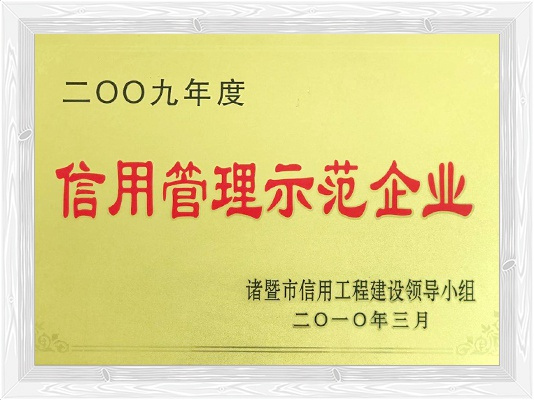
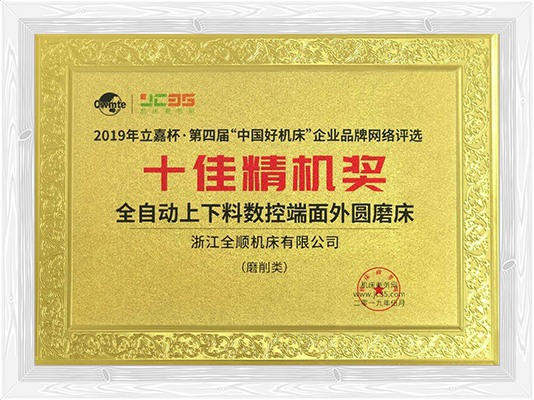
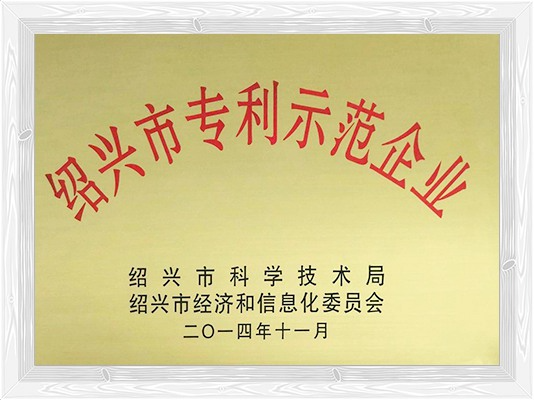
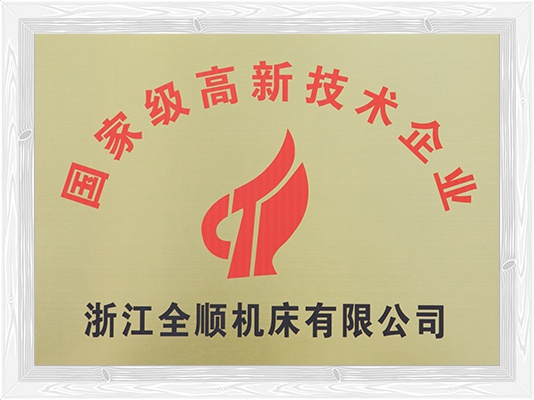
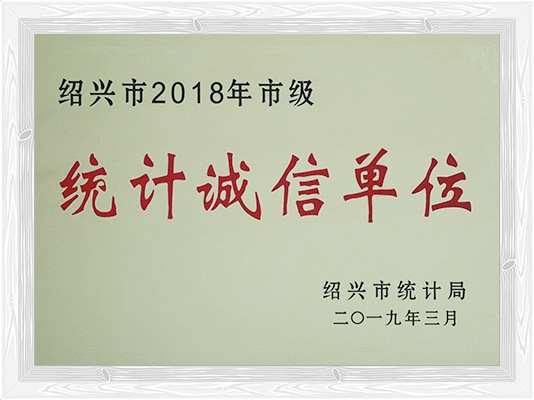
Our company holds ISO9001-2015 quality system certification and CE safety certification, and has been recognized as a National High-tech Enterprise. In 2021, we were rated as a specialized and new small and medium-sized enterprise in Zhejiang Province. With self-export qualifications in place, our products currently reach more than 20 countries including the United States, Germany, Japan, and markets across Southeast Asia, built on a long-standing commitment to quality first, reputation first, and service first.
| What does coaxiality mean in face and cylindrical grinding | Coaxiality describes how closely two or more features, such as a diameter and a face, share the same rotational axis, with tighter coaxiality meaning less wobble or offset between them. |
| Can face grinding and OD grinding really happen in the same cycle | Yes, when the machine is equipped with a face grinding wheel or indexing wheelhead alongside the OD wheel, both operations run within the same chucking without removing the part. |
| What tolerance can be held between a ground face and diameter | Well-maintained face and cylindrical grinders can commonly hold squareness and coaxiality within a few microns, with the exact figure depending on machine rigidity and part size. |
| What materials can be processed on these machines | Common materials include hardened and unhardened steels, stainless steel, and various alloys, with wheel selection adjusted to match material hardness and finish requirements. |
| Is face and cylindrical grinding the same as universal grinding | They overlap but are not identical, since universal grinding usually emphasizes OD and ID capability while face and cylindrical grinding emphasizes OD and face or shoulder capability in one setup. |
| How does plunge grinding relate to face grinding | Plunge grinding with an angle-dressed wheel is a common method for grinding a shoulder face and the adjacent diameter together in a single feed motion. |
 0086-15068518279 (Chinese)
 [email protected]
 No.100 Xueyuan Road, Jiangzao Town, Zhuji City, Zhejiang Province, China
Scan code to view mobile website

 EN
EN
 中文简体
中文简体