-
 0086-15068518279 (Chinese)/001-5416026691 (English)
 -
 [email protected]
 -
0086-15068518279 (Chinese)/001-5416026691 (English) [email protected] 


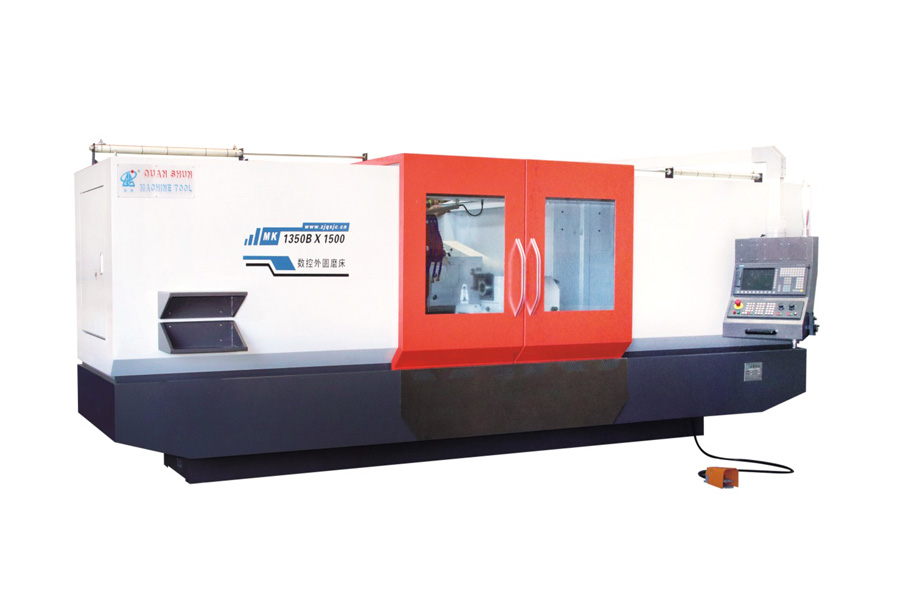
The CNC Universal Cylindrical Grinding Machine is engineered for high-precision, multi-functional gr...


The right choice for most engine repair shops is a CNC crankshaft grinding machine with a grinding diameter range that covers your typical job mix, a...
View MoreCenterless grinding commonly causes problems such as chatter marks, workpiece out-of-roundness, surface burning, taper errors, and inconsistent part ...
View MoreCrankshaft grinders are primarily used to restore worn or damaged crankshafts in automotive engines, diesel trucks, marine vessels, locomotives, agri...
View MoreDirect Answer A grinding machine works by rotating an abrasive wheel at high speed against a workpiece to remove material through abrasion, shaping ...
View MoreA CNC Universal Cylindrical Grinding Machine is a grinder built to perform external (OD) grinding, internal (ID) grinding, and often taper and face grinding on a single machine bed, without moving the part to a different setup. The "universal" designation comes from its swiveling wheelhead and workhead, which let one machine cover a range of geometries that would otherwise require two or three separate dedicated grinders. This article explains what makes a grinder universal, how it switches between OD and ID work, where it delivers the most value, and how to select the right model for your shop.
Not every cylindrical grinder is universal. A standard OD grinder is built around a fixed wheelhead dedicated to external grinding, while a universal model adds the mechanical flexibility to handle multiple grinding tasks on the same frame. According to UNITED GRINDING's technical overview of cylindrical grinding, a universal cylindrical grinding machine is more versatile than a traditional cylindrical grinder because it features multiple adjustable wheel heads, offering increased flexibility over fixed-wheelhead designs.
In practical terms, the features that separate a universal machine from a standard one include the following.
This combination is what allows a single CNC Universal Cylindrical Grinding Machine to replace what might otherwise be a small cell of dedicated OD, ID, and taper grinders, particularly useful for shops producing complex shafts, valve bodies, or spindle parts in moderate volumes.
The mechanism for switching between external and internal grinding depends on the wheelhead design, but most modern CNC universal grinders rely on one of the approaches below.
| Switching Method | How It Works |
| B-axis indexing wheelhead | A CNC-controlled rotary axis swivels the wheelhead to bring different spindles into grinding position, with index accuracy often holding to a fraction of a degree. |
| Multi-spindle fixed head | Two or more spindles, such as two OD wheels and one ID wheel, are mounted on the same head; the controller selects which spindle engages the part. |
| Swing-down ID attachment | A separate internal grinding spindle pivots into position over the workpiece when needed, then retracts clear of the OD wheel during external passes. |
| Programmable wheelhead swivel | The wheelhead rotates to a programmed angle for taper or angular grinding, then returns to zero for straight OD work. |
According to UNITED GRINDING's explanation of combined ID/OD processes, internal and external grinding can be completed in the same setup as long as the machine is properly equipped, with some configurations holding up to four wheels in various OD and ID spindle combinations for complex parts. The benefit of this approach is direct: eliminating the need to move a part between machines reduces handling, which in turn improves roundness and concentricity between the bore and the outside diameter, since both features are referenced from the same chucking or centering setup.
The case for a universal machine comes down to flexibility, accuracy, and floor space efficiency rather than raw cycle speed on a single operation. The main advantages include the following.
The tradeoff is that universal machines are generally more complex and represent a higher initial investment than a single-purpose OD or ID grinder. For high-volume production of one geometry, a dedicated machine is often still the more efficient choice on a per-part basis.
A universal machine earns its place on the shop floor under specific production conditions rather than as a default choice for every grinding job. The table below outlines when it is the better fit compared with a dedicated single-purpose grinder.
| Production Scenario | Better Fit |
| Parts need both OD and ID features ground accurately to each other | Universal grinder, due to single-setup concentricity control |
| High-volume production of one simple OD geometry | Dedicated OD grinder, for maximum cycle speed |
| Job shop with frequent part changeovers | Universal grinder, for programming flexibility without retooling |
| Parts require tapers, shoulders, or angular faces alongside straight OD work | Universal grinder with swiveling wheelhead and workhead |
| Simple round parts in very high volume with no ID feature | Centerless grinder, for throughput |
Typical parts suited to universal grinding include valve spools, pump shafts with internal bores, spindle housings, hydraulic cylinder components, and gear blanks that combine an outside diameter with a precision bore. Industries reporting heavy use of combined ID/OD grinding include automotive steering and turbocharger components, aerospace hydraulic control valves, and machine manufacturing applications such as spindles and pump bodies, according to UNITED GRINDING's industry application list.
Selecting a universal grinder should be driven by the part mix you expect to run over the machine's service life, not just the part in front of you today. Consider the following factors.
Our company manufactures CNC universal cylindrical grinding machines from a 35,000 square meter facility with a 32,000 square meter building area, combining a dedicated machine tool production base with a hydraulic parts production base. Our product range spans ordinary and CNC cylindrical grinding machines, CNC end face cylindrical grinding machines, automatic loading and unloading CNC and end face cylindrical grinding machines, composite grinding machines, and high-precision ordinary and CNC cylindrical grinding machines. Where a standard configuration does not fit a customer's part geometry, our engineering team also designs non-standard special grinding machines and provides supporting technology, software, training, and automation integration.
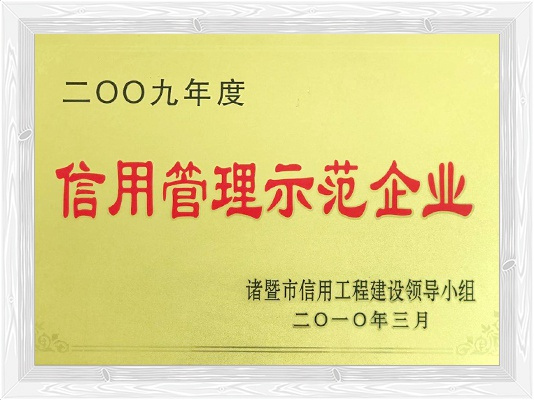
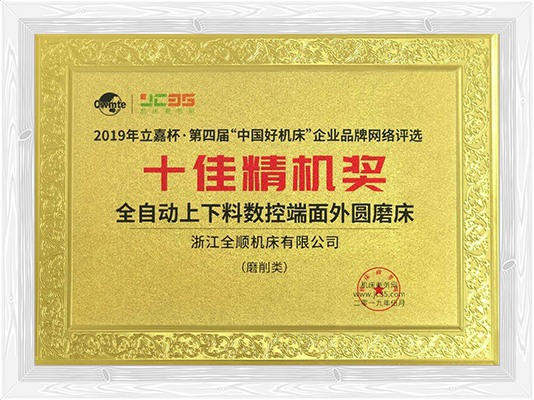
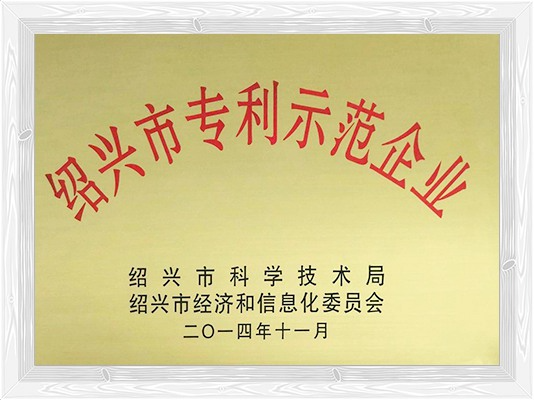
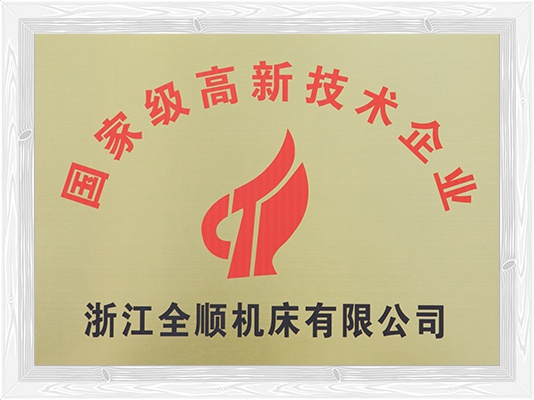
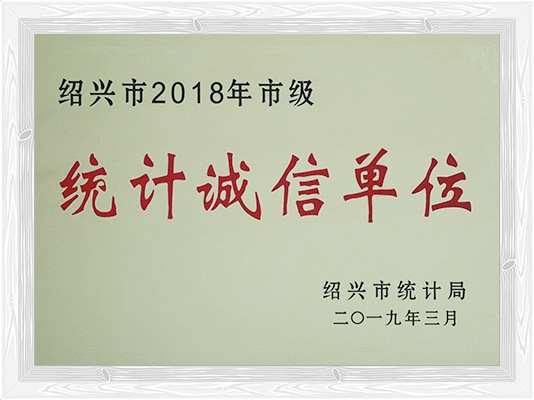
Our company holds ISO9001-2015 quality system certification and CE safety certification, and has been recognized as a National High-tech Enterprise. In 2021, we were rated as a specialized and new small and medium-sized enterprise in Zhejiang Province. With self-export qualifications in place, our products currently reach more than 20 countries including the United States, Germany, Japan, and markets across Southeast Asia, built on a long-standing commitment to quality first, reputation first, and service first.
| What is the difference between a universal grinder and a plain OD grinder | A plain OD grinder has a fixed wheelhead built only for external grinding, while a universal grinder adds a swiveling wheelhead and often an internal spindle so it can also perform ID and taper grinding. |
| Can a universal grinder finish a bore and an outside diameter in one cycle | Yes, when the wheelhead carries both OD and ID spindles, the controller can sequence external and internal grinding passes within the same chucking. |
| Does universal grinding cost more than dedicated OD grinding | The machine itself is typically a larger investment due to its added axes and spindle options, but it can lower total cost for parts that would otherwise require two separate machines and setups. |
| What kind of parts benefit most from universal grinding | Parts with both external and internal precision features referenced to the same axis, such as valve bodies, pump shafts, and spindle housings, gain the most from single-setup processing. |
| How accurate is the wheelhead swivel on a CNC universal grinder | Depending on the machine, swivel indexing accuracy can hold to a fraction of a degree, which is fine enough for repeatable taper and angular grinding. |
| Is centerless grinding a type of universal grinding | No, centerless grinding is a separate external grinding method that supports the part on a work rest rather than between centers, and is not typically combined with internal grinding in the same machine. |
 0086-15068518279 (Chinese)
 [email protected]
 No.100 Xueyuan Road, Jiangzao Town, Zhuji City, Zhejiang Province, China
Scan code to view mobile website

 EN
EN
 中文简体
中文简体