-
 0086-15068518279 (Chinese)/001-5416026691 (English)
 -
 [email protected]
 -
0086-15068518279 (Chinese)/001-5416026691 (English) [email protected] 


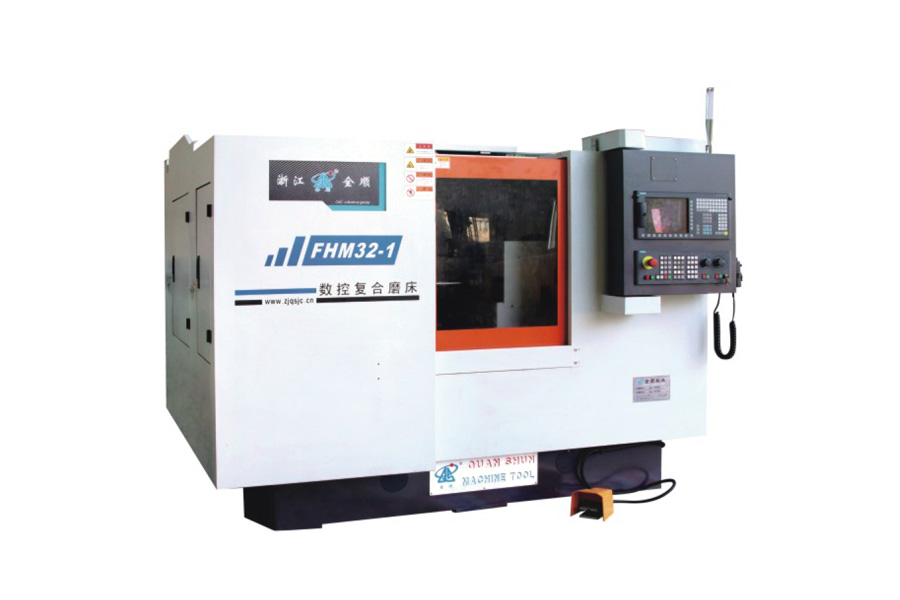
The CNC Compound Grinding Machine is the ultimate multi-tasking solution engineered for high-precisi...
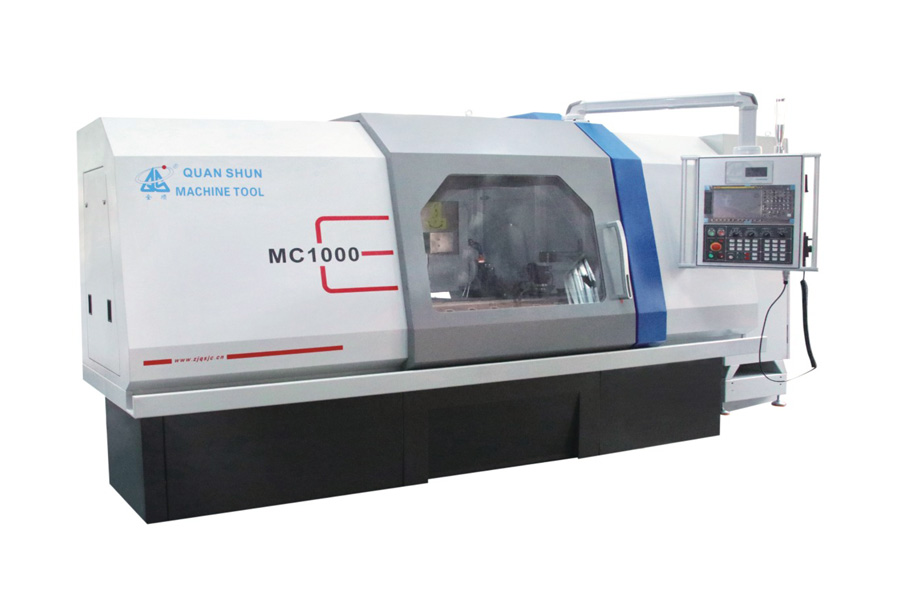
The High Precision CNC Compound Grinding Center is an ultra-precision, multi-tasking manufacturing c...

The right choice for most engine repair shops is a CNC crankshaft grinding machine with a grinding diameter range that covers your typical job mix, a...
View MoreCenterless grinding commonly causes problems such as chatter marks, workpiece out-of-roundness, surface burning, taper errors, and inconsistent part ...
View MoreCrankshaft grinders are primarily used to restore worn or damaged crankshafts in automotive engines, diesel trucks, marine vessels, locomotives, agri...
View MoreDirect Answer A grinding machine works by rotating an abrasive wheel at high speed against a workpiece to remove material through abrasion, shaping ...
View MoreA Compound Grinding Machine combines two or more machining processes, most commonly grinding paired with hard turning, milling, or a secondary finishing operation, onto a single platform so a workpiece can be completed without being moved to another machine. The direct benefit is fewer setups, tighter feature-to-feature accuracy, and shorter total cycle time compared with routing a part through separate dedicated machines. The sections below explain how this combination works in practice, what processes are typically paired, where it delivers the most value, and how to select the right configuration.
At its core, a compound grinding machine keeps a workpiece in one fixture or chucking while two different tool stations, such as a turning tool and a grinding wheel, are brought into play in sequence. Trade publication Production Machining has reported on this approach in the context of hard turning and grinding combination machines, noting that the typical process is to pre-machine or complete-machine all surfaces that can be hard turned first, then finish grind the areas requiring high-precision geometry without changing the part's setup.
The general workflow on a compound grinding machine follows a consistent pattern, even though the specific processes combined can vary by machine design.
| Stage | What Happens |
| Workpiece loading | The part is chucked or mounted between centers once, establishing a single reference axis for every subsequent operation. |
| Primary process | A turning, milling, or rough grinding station removes bulk material and establishes the general part geometry. |
| Tool or spindle changeover | The machine indexes to the second process station, often a grinding wheel head, without unclamping the part. |
| Finish grinding | The grinding wheel finishes critical diameters, faces, or bores to final tolerance and surface finish. |
| In-process measurement | Gauging checks key dimensions during the cycle, allowing the controller to correct before the part is released. |
| Unloading | The completed part is removed with all operations finished, with no transfer to a separate machine. |
A patent describing combination grinding machine design illustrates one common configuration, where a first wheel head carries a grinding wheel and a second wheel head carries a superfinishing wheel, both able to feed independently along and across the workpiece axis, so that grinding and superfinishing of multiple features happen while the part remains continuously supported in the same setup.
The case for a Compound Grinding Machine rests on a few measurable production advantages over routing parts through separate dedicated machines.
These benefits are most pronounced on parts that combine multiple feature types, such as a part needing both a turned diameter and a ground precision bore, rather than on simple single-feature parts where a dedicated machine may still be more efficient.
A compound machine is not always the right choice. The decision depends on part complexity, volume, and how tightly different features need to relate to each other.
| Production Scenario | Better Fit |
| Part needs both turned and ground features held tightly to each other | Compound grinding machine, for single-setup accuracy |
| Moderate grinding volume on an otherwise turning-focused part mix | Compound grinding machine, to avoid a dedicated low-utilization grinder |
| Very high volume of one simple ground geometry | Dedicated grinding machine, for maximum cycle speed |
| Highly complex geometry needing many distinct operations | May still require multiple setups, since not every operation fits one machine |
| Shaft-type parts such as gear shafts, rotor shafts, or pump shafts | Compound grinding machine, commonly used for this part family |
According to Production Machining's coverage of combination turning and grinding centers, typical parts suited to this approach include gear shafts, rotor shafts, pump shafts, motor and engine shafts, and cardan shafts, where a suitable machining technology is chosen for each feature on the same part. The publication also notes an important limitation: highly complex component geometries can pose certain limitations, since not every required operation, such as turning, milling, drilling, and grinding together, can always be carried out in a single setup, meaning some parts will still call for multiple setups regardless of machine capability.
Understanding the tradeoffs between a compound machine and a cell of separate dedicated machines helps clarify when each approach makes sense.
The right choice often comes down to part mix rather than a fixed rule. Shops running varied parts that combine turned and ground features tend to benefit most from compound machines, while shops running high volumes of a single simple geometry may still find dedicated machines more efficient on a per-part basis.
Selecting a compound grinding machine should be driven by the part families you expect to run over its service life. Consider the following factors.
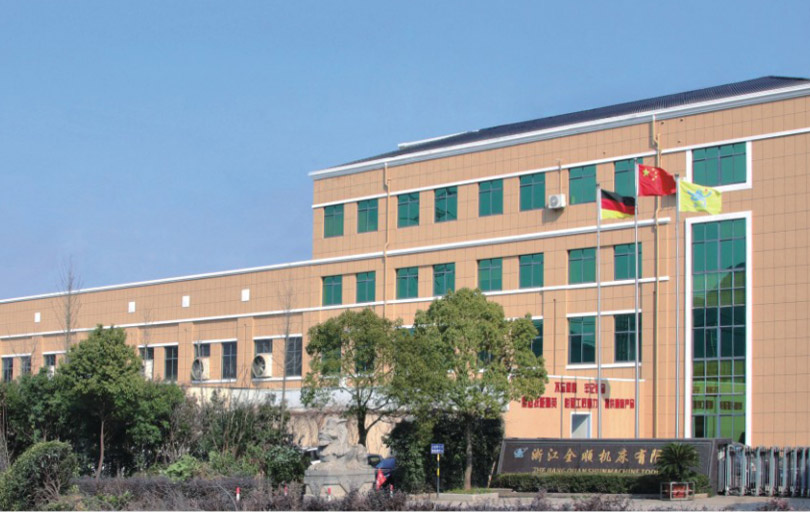
Our company manufactures grinding equipment, including compound grinding machines, from a 35,000 square meter facility with a 32,000 square meter building area, combining a dedicated machine tool production base with a hydraulic parts production base. Our product range includes ordinary and CNC cylindrical grinding machines, CNC end face cylindrical grinding machines, automatic loading and unloading CNC and end face cylindrical grinding machines, composite grinding machines, and high-precision ordinary and CNC cylindrical grinding machines. Where a customer's part falls outside standard catalog specifications, our engineering team also designs non-standard special grinding machines and provides supporting technology, software, training, and automation integration.
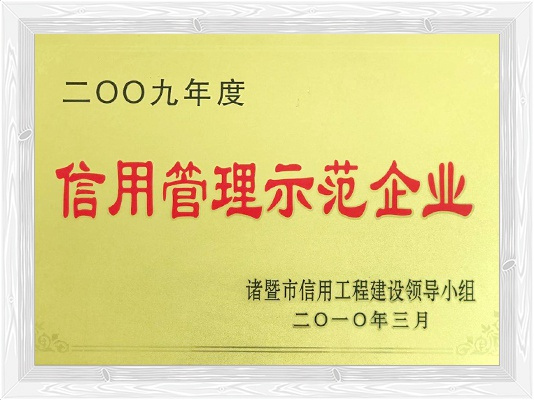
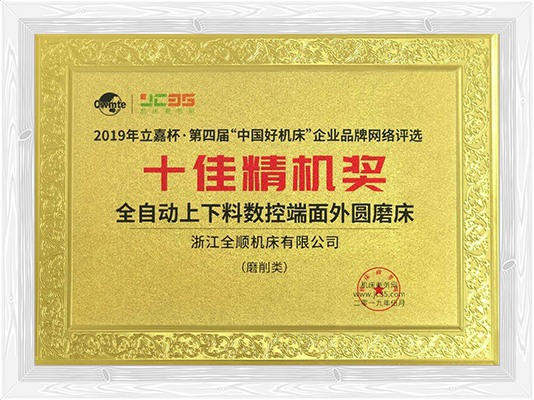
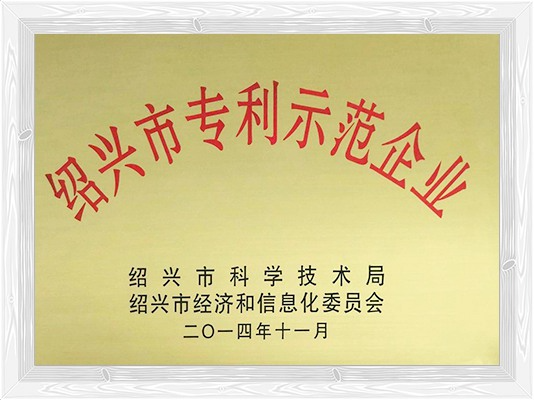
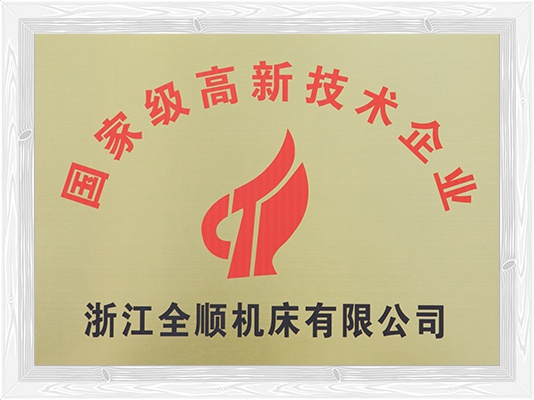
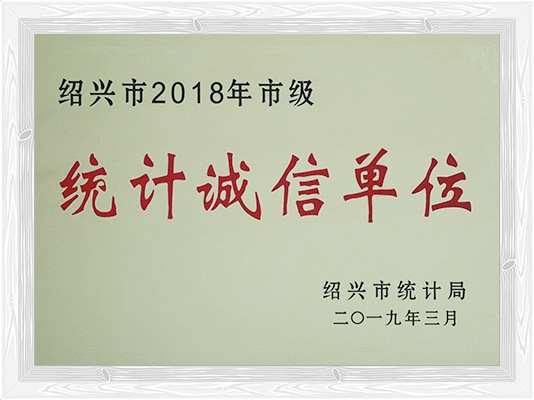
Our company holds ISO9001-2015 quality system certification and CE safety certification, and has been recognized as a National High-tech Enterprise. In 2021, we were rated as a specialized and new small and medium-sized enterprise in Zhejiang Province. With self-export qualifications in place, our products currently reach more than 20 countries including the United States, Germany, Japan, and markets across Southeast Asia, built on a long-standing commitment to quality first, reputation first, and service first.
| What processes are commonly combined in a compound grinding machine | Grinding is most often paired with hard turning, milling, or a secondary finishing process such as superfinishing, depending on the machine platform and part requirements. |
| Does a compound grinding machine replace a dedicated grinder entirely | Not always, since very high-volume single-process production can still favor a dedicated machine, but a compound machine often replaces the need for two or more separate machines on mixed part work. |
| Can highly complex parts always be finished on one compound machine | Not necessarily, since some geometries require operations that cannot all be performed within a single setup, meaning multiple setups may still be needed. |
| What part types are typically run on compound grinding machines | Shaft-type components such as gear shafts, rotor shafts, pump shafts, and motor or engine shafts are commonly cited examples in industry reporting. |
| Is hard turning before grinding a common process order | Yes, a common sequence is to pre-machine or complete-machine surfaces suited to hard turning first, then finish grind the features requiring the tightest tolerances. |
| Is a compound grinding machine more expensive than a single dedicated grinder | Typically yes for the machine itself, but it can be more cost-effective than purchasing multiple separate dedicated machines to cover the same combined capability. |
 0086-15068518279 (Chinese)
 [email protected]
 No.100 Xueyuan Road, Jiangzao Town, Zhuji City, Zhejiang Province, China
Scan code to view mobile website

 EN
EN
 中文简体
中文简体