-
 0086-15068518279 (Chinese)/001-5416026691 (English)
 -
 [email protected]
 -
0086-15068518279 (Chinese)/001-5416026691 (English) [email protected] 


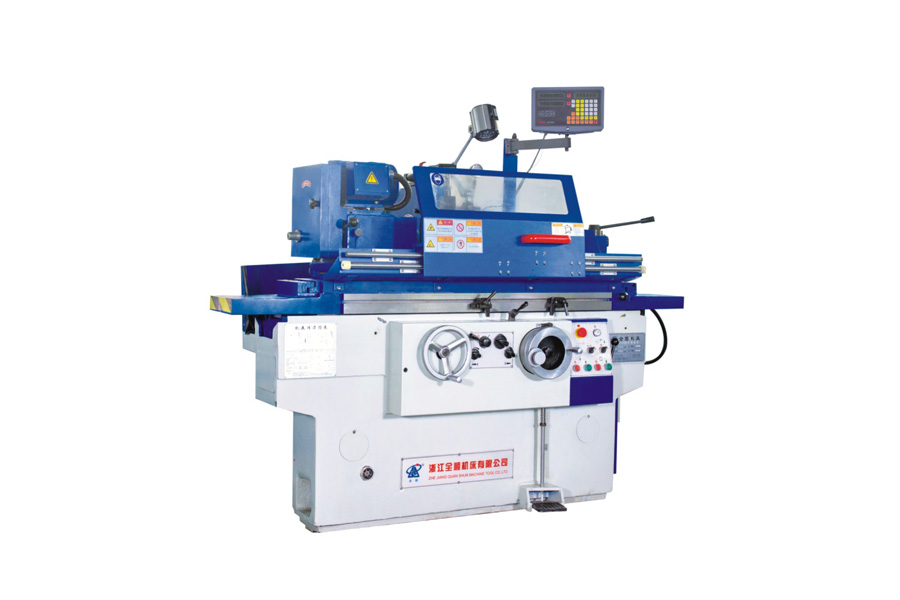
This machine tool absorbs the advantages of the major grinder and improves the cutting grinder. Heav...
Our Conventional Universal Cylindrical Grinding Machine is engineered for versatility and precision ...
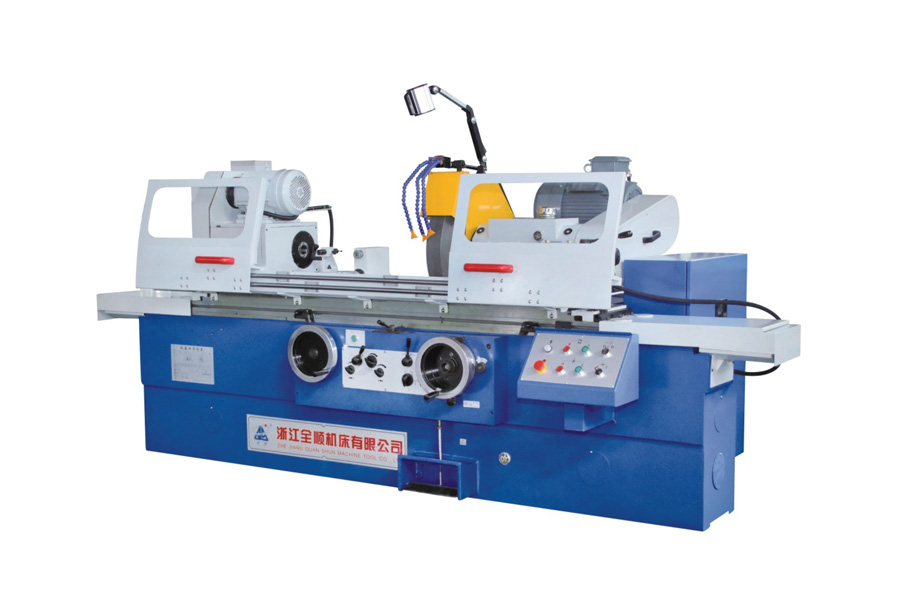
The Conventional Face and Cylindrical Grinding Machine is a dual-purpose solution designed for high-...
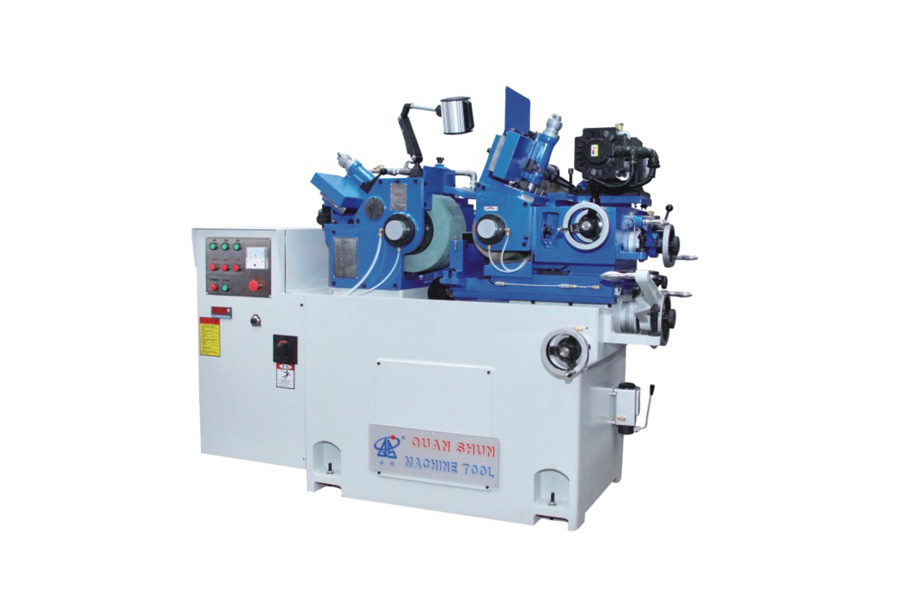
Our Centerless Grinding Machine is the ultimate solution for high-speed, high-precision grinding of ...

The right choice for most engine repair shops is a CNC crankshaft grinding machine with a grinding diameter range that covers your typical job mix, a...
View MoreCenterless grinding commonly causes problems such as chatter marks, workpiece out-of-roundness, surface burning, taper errors, and inconsistent part ...
View MoreCrankshaft grinders are primarily used to restore worn or damaged crankshafts in automotive engines, diesel trucks, marine vessels, locomotives, agri...
View MoreDirect Answer A grinding machine works by rotating an abrasive wheel at high speed against a workpiece to remove material through abrasion, shaping ...
View MoreA Conventional Grinding Machine is the most reliable choice for workshops that need precise, manually controlled material removal without the cost and complexity of CNC programming. It remains the preferred tool for small batch production, prototype work, tool room grinding, and operations where a skilled operator can achieve tight tolerances faster than setting up a CNC cycle. Below, we break down why this machine type still matters, how it compares with CNC alternatives, the main variants available, and how to choose and maintain one for long term accuracy.
Even with automation spreading across the machining industry, a conventional grinding machine continues to hold a firm place on shop floors worldwide. The reason is simple: not every grinding job benefits from programming, and not every shop has the volume to justify it. A manually operated grinder gives the operator direct, real time control over feed rate, depth of cut, and wheel contact, which is valuable when working with one off parts, repair jobs, or tooling that requires constant adjustment based on feel and visual inspection.
Conventional machines also tend to have a lower upfront cost, simpler maintenance requirements, and a shorter learning curve for new operators compared to CNC equivalents. For training centers, repair shops, and manufacturers producing varied low volume parts, this translates into lower total cost of ownership and faster return to production after any required machine downtime.
| Advantage | Practical Benefit |
| Lower initial investment | Reduced capital expenditure for small and mid sized workshops |
| Operator skill utilization | Experienced grinders can adjust in real time without reprogramming |
| Simple mechanical design | Fewer electronic components mean simpler troubleshooting and repair |
| Quick job changeover | Suited to single piece or small batch work without setup delays |
Choosing between conventional and CNC grinding equipment depends mainly on production volume, part complexity, and the consistency of the workpiece geometry. CNC grinding machines excel when a shop needs to repeat the exact same profile across hundreds or thousands of parts with minimal operator input. Conventional grinding machines excel when flexibility, operator judgment, and lower cost matter more than full automation.
| Factor | Conventional Grinding Machine | CNC Grinding Machine |
| Best for | Low volume, varied parts, repair work | High volume, repeatable production |
| Operator involvement | Continuous manual control | Programming followed by automated cycles |
| Setup time | Generally shorter for simple jobs | Longer due to programming and proving out |
| Initial cost | Lower | Higher |
| Consistency across large batches | Dependent on operator skill | Highly consistent once programmed |
Many manufacturers, including our own production base, offer both conventional and CNC versions of the same machine family so customers can scale from manual operation into automated production as their volume grows, without switching machine architecture entirely.
Manual grinding equipment is generally grouped by the geometry of the surface being ground and the way the workpiece is held during the operation. The two product lines below are part of our current conventional grinding machine range and illustrate the core categories most workshops rely on.
| Type | Primary Function |
| Conventional Cylindrical Grinding Machine | Grinds the outer diameter of cylindrical workpieces such as shafts and pins, holding tight roundness and surface finish tolerances |
| Centerless Grinding Machine | Grinds cylindrical parts without center supports, ideal for high volume shaft type components needing continuous through feed grinding |
Beyond these two categories, manual grinders are also commonly distinguished by whether they grind external diameters, internal bores, flat surfaces, or a combination of end face and cylindrical surfaces in a single setup. Selecting the correct type depends entirely on the geometry of the part and whether center support is practical for the production run.
Precision on a conventional grinding machine is not a one time setup; it is the result of ongoing mechanical care and disciplined operating habits. According to general machine tool maintenance guidance published by the American National Standards Institute and widely echoed by grinding machine manufacturers, spindle bearing condition, wheel balance, and coolant cleanliness are the three factors most responsible for long term accuracy drift in grinding equipment.
Shops that follow a documented maintenance schedule typically see fewer rejected parts and longer intervals between major overhauls, which keeps total cost of ownership predictable over the life of the machine.
Selecting the right machine starts with a clear picture of the parts you need to produce and the tolerances those parts demand. The table below outlines the main considerations buyers typically work through before purchase.
| Consideration | Why It Matters |
| Workpiece diameter and length range | Determines the swing and distance between centers the machine must support |
| Required surface finish and tolerance | Influences spindle rigidity, wheel head precision, and bed construction needed |
| Production volume | Helps decide between a purely manual machine or one with semi automatic feed features |
| Workpiece geometry | Cylindrical, face and cylindrical, or centerless designs suit different part shapes |
| After sales support and parts availability | Affects long term uptime and the cost of future repairs |
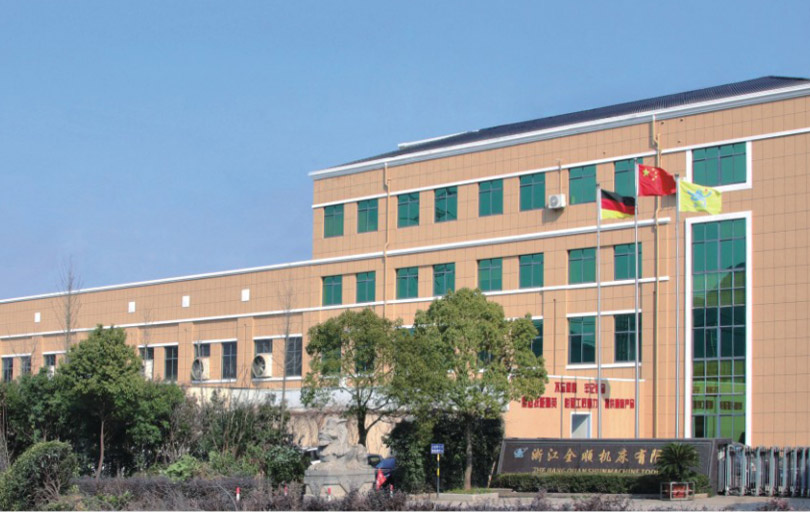
Our company operates from a facility covering 35000 square meters, with a building area of 32000 square meters that houses both a dedicated machine tool production base and a hydraulic parts production base. This integrated setup allows us to manufacture various specifications of ordinary and CNC cylindrical grinding machines, CNC end face cylindrical grinding machines, automatic loading and unloading CNC end face cylindrical grinding machines, composite grinding machines, and high precision ordinary and CNC cylindrical grinding machines under one roof. We also design and develop non standard special grinding machines based on individual customer requirements, supported by our own technology, software, training services, and automation solutions.
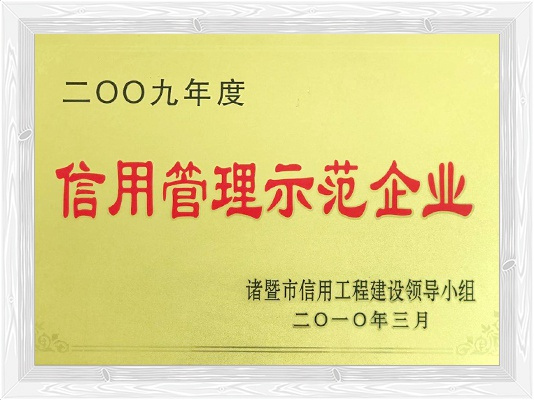
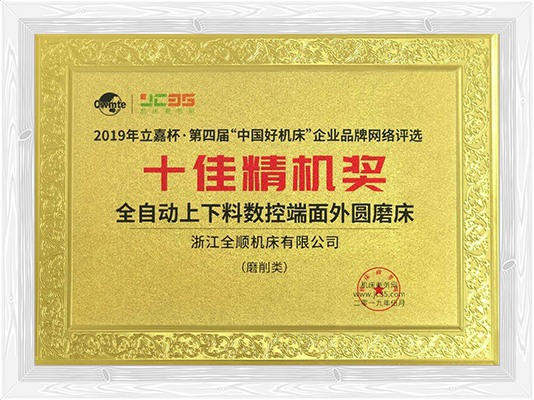
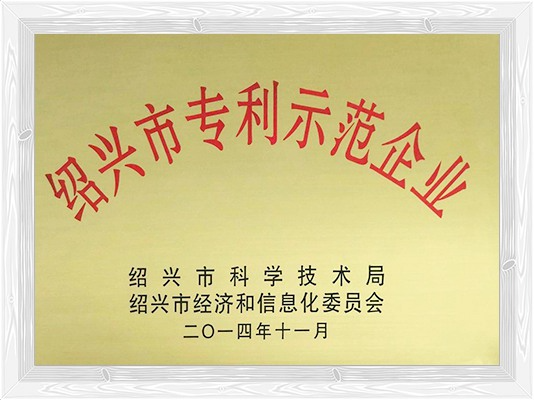
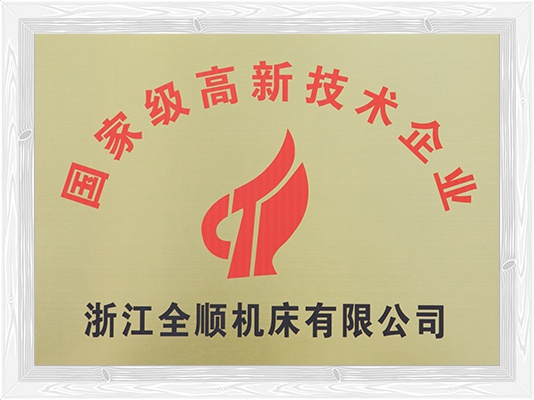
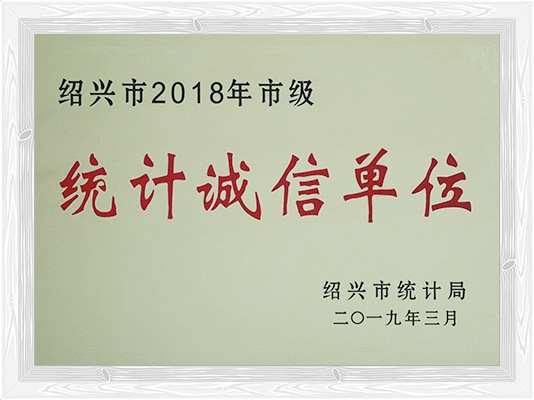
Our quality system has passed ISO9001-2015 certification along with CE safety certification, and our company has been officially named a National High-tech Enterprise. In 2021, we were rated as a specialized and new small and medium-sized enterprise in Zhejiang Province. With self export qualifications in place, our products are currently exported to more than 20 countries, including the United States, Germany, Japan, and several Southeast Asian markets, reflecting our ongoing commitment to quality first, reputation first, and service first.
If your application requires grinding both the end face and the outer diameter in a single setup, our Conventional Face and Cylindrical Grinding Machine is designed for that combined operation, while our Conventional Universal Cylindrical Grinding Machine offers added versatility for shops handling a wider range of part geometries and taper requirements.
| Question | Answer |
| Is a conventional grinding machine still relevant for modern shops | Yes, it remains highly relevant for low volume work, repair tasks, and operations where manual control and lower cost outweigh the benefits of full automation |
| What tolerances can a conventional grinder typically achieve | Well built conventional machines can achieve tight roundness and surface finish tolerances suitable for most precision shaft and cylindrical component applications, depending on machine rigidity and operator skill |
| Can a conventional grinding machine be upgraded later | Some conventional platforms share a common base design with CNC versions, making it easier for manufacturers to offer an upgrade path as production needs grow |
| How often should the grinding wheel be dressed | Dressing frequency depends on material being ground and wheel wear rate, but a consistent schedule based on part count or visible wheel glazing helps maintain finish quality |
| What industries commonly use conventional grinding machines | Automotive component repair, tool and die shops, hydraulic parts manufacturing, and general machine shops producing shafts and cylindrical parts all commonly rely on this equipment |
 0086-15068518279 (Chinese)
 [email protected]
 No.100 Xueyuan Road, Jiangzao Town, Zhuji City, Zhejiang Province, China
Scan code to view mobile website

 EN
EN
 中文简体
中文简体